
Four Greater Boston Towns Worth Considering Before You Make a Move
Relocating to the Boston area can feel like choosing between dozens of good options, each with its own pace, personality, and price point. That is exactly why it helps to start with lifestyle first and commute second. Rather than searching town by town at random, it is smarter to think about what you want your days to look like once the boxes are unpacked: walkable mornings, quiet neighborhoods, top-ranked schools, or a little more room to breathe. For buyers working with a Massachusetts-focused guide like Victoria Gomes at Venture, that kind of clarity often turns a stressful search into a much more rewarding and memorable one.

For urban energy and walkability, Cambridge is often the first stop. This is a place where daily life can happen on foot, with easy access to green space, public transit, independent gathering spots, cultural institutions, and a steady buzz of ideas. The housing mix ranges from historic homes and classic multi-families to polished condos and sleek new developments, so the inventory feels varied even when competition is strong. Buyers who love character, convenience, and being close to universities, biotech, and Boston itself are usually drawn here quickly.
Cambridge also appeals to people who want neighborhood identity without sacrificing city access. One pocket may feel leafy and residential, while another leans more energetic and connected. Dining options are broad, schools are a major draw for many households, and the overall atmosphere tends to attract professionals, academics, and buyers who want a highly engaged community. The trade-off, of course, is price. For many movers, Cambridge is the “I want everything at once” choice, and the market reflects that.
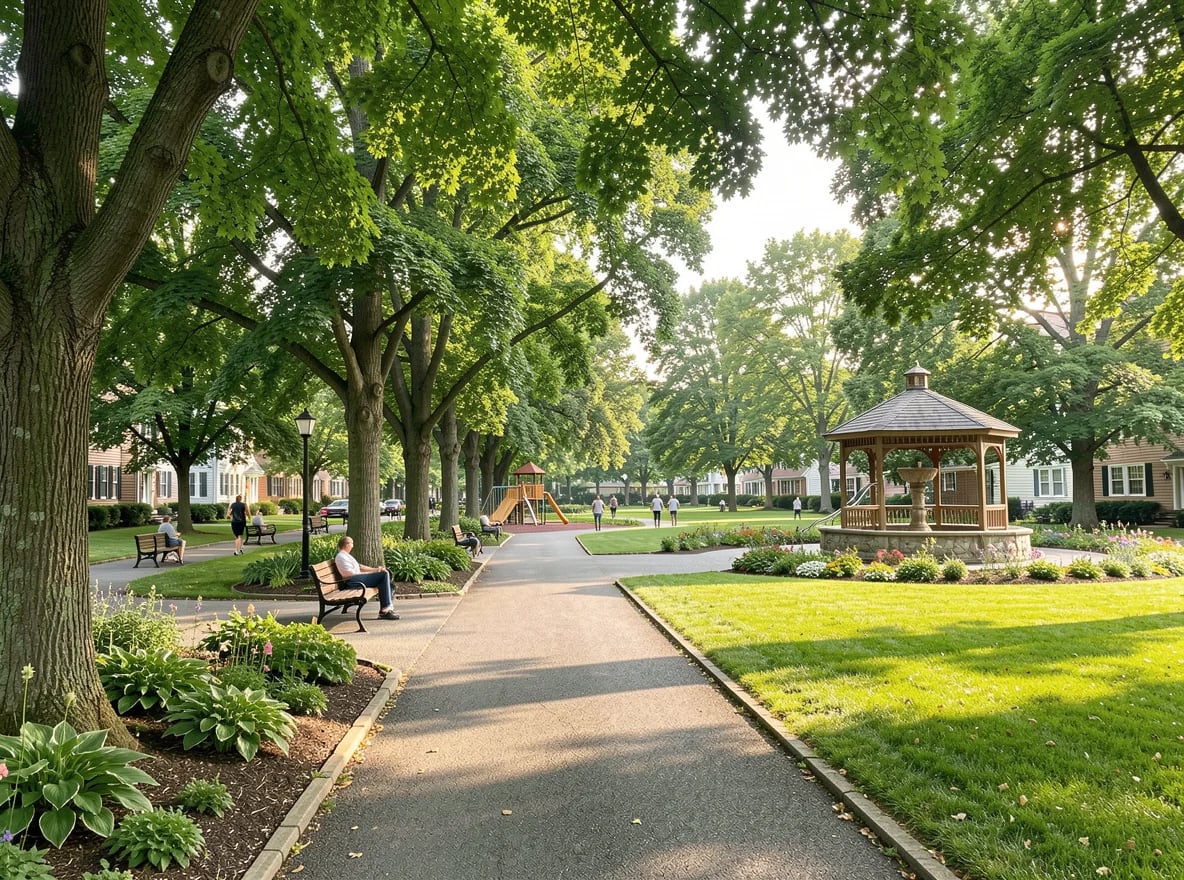
For classic family-focused suburban living, Lexington deserves serious attention. If your wish list includes highly regarded schools, attractive residential streets, town pride, and a setting that feels settled and polished, Lexington checks a lot of boxes. The town is known for its historic roots, but the day-to-day appeal is very current: strong recreation programs, playing fields, local events, and a housing stock filled with well-kept Colonials, expanded capes, and newer custom homes.
A Different Town for a Different Kind of Routine
Some buyers want a home base that feels more peaceful than urban but still connected to Boston’s job centers. In that case, Needham often rises to the top. It offers a notably comfortable rhythm, with commuter rail access, a well-liked town center, and neighborhoods that feel approachable and established. The appeal here is balance. You can find a strong sense of community, excellent schools, youth activities, and homes with more yard space than many inner-ring options, all without feeling too far removed from the city.
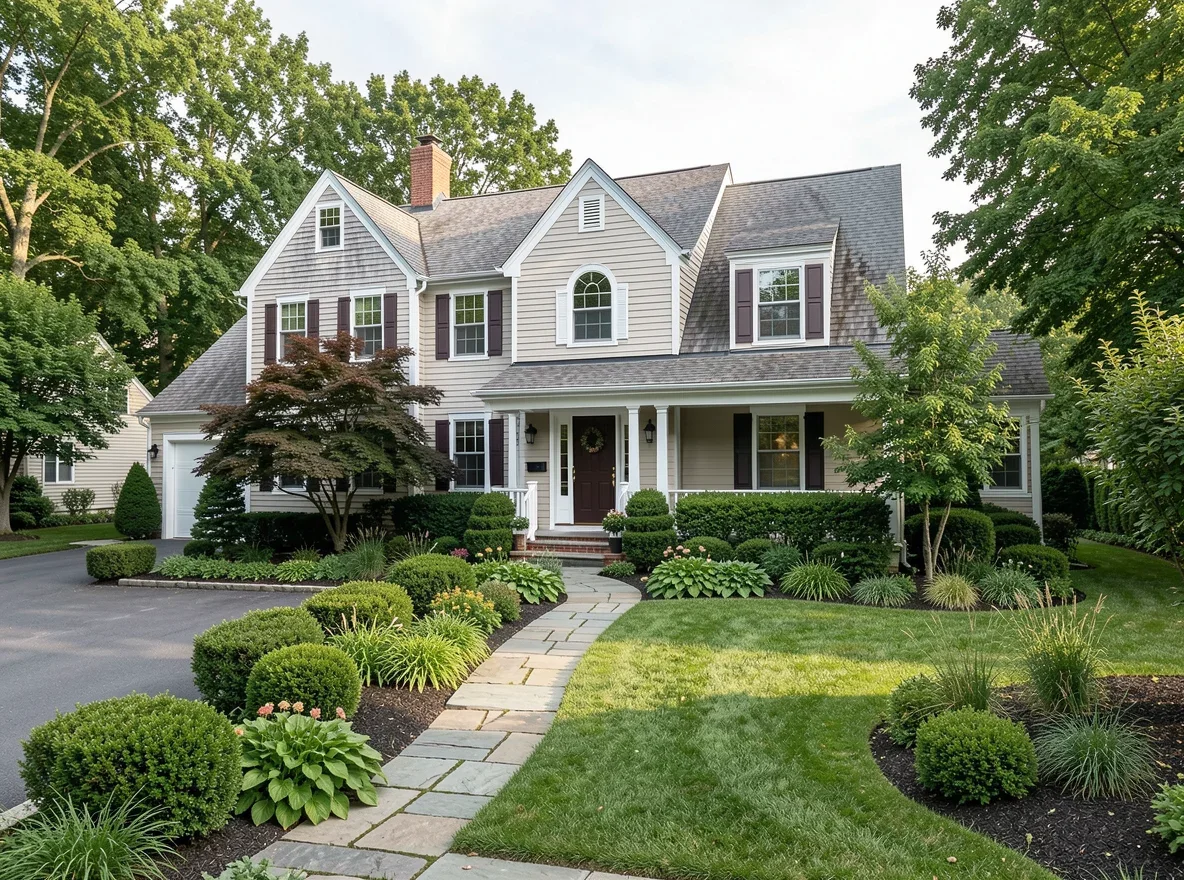
Needham’s real estate market tends to attract move-up buyers who are thinking long term. Renovated older homes sit alongside newer construction, and the overall feel is tidy, residential, and practical in the best way. It is the kind of place where routines can become easy: school drop-offs, youth sports, commuter schedules, weekend coffee, and neighborhood walks. For households who want predictability, space, and strong resale confidence, Needham offers a compelling middle ground.
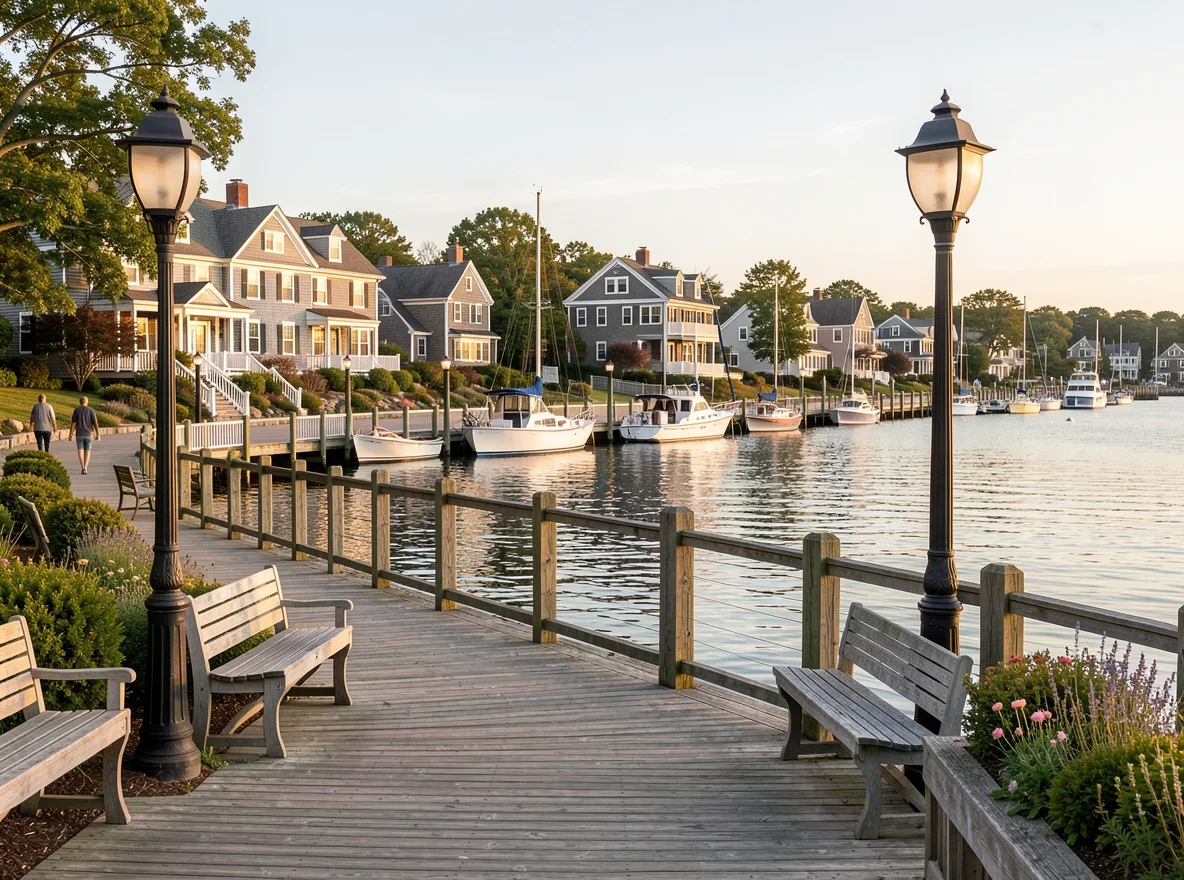
Then there is Marblehead, which is a very different answer for buyers who want beauty, personality, and coastal New England charm. North of Boston, Marblehead delivers water views, rocky shoreline scenery, and a distinctly historic atmosphere that feels unlike the inland suburbs. This is not the place people choose because it is generic or interchangeable. They choose it because they want a sense of place. The streets are full of character, the harbor shapes the lifestyle, and the town has a deeply rooted identity that many people find irresistible.
Marblehead is especially appealing for buyers who imagine weekends near the water, scenic walks, and a community that feels picturesque without being manufactured. Local amenities are strong, recreation naturally leans coastal, and the housing inventory includes everything from antique homes with serious charm to updated properties with more modern finishes. Commuting can require more planning than some western suburbs, but for the right buyer, that trade is worth it. The lifestyle is the point.
How to Narrow the Search Without Feeling Overwhelmed
The best relocation decisions usually happen when you stop asking, “Which town is best?” and start asking, “Which town fits us best right now?” Cambridge suits buyers who want intellectual energy and urban convenience. Lexington is often ideal for those prioritizing schools, tradition, and a refined suburban setting. Needham works beautifully for households seeking balance, ease, and strong everyday livability. Marblehead stands out for coastal character, visual charm, and a lifestyle anchored by the water.
It also helps to remember that real estate in Greater Boston moves in micro-markets, not broad generalizations. One town may offer a better value for the same budget, while another may make more sense because of commute, school needs, future expansion plans, or simply the feeling you get when you drive through it. That is where local knowledge becomes essential. A dedicated advisor can help you compare not just listing prices, but inventory trends, neighborhood differences, and which compromises are smart versus avoidable.
For anyone relocating into Massachusetts, the goal is not just to buy a house. It is to land in a community that supports the life you want to build next. Start with these four towns, think honestly about your priorities, and let the search become more intentional from there. With thoughtful guidance and a clear sense of lifestyle, Greater Boston starts to feel a lot less overwhelming and a lot more like home.