
Boston to Norwood: How Far Your Budget Really Goes From Condo to Colonial
From Boston Condos to Norwood Colonials: What Your Money Buys as You Move Outward
For many Massachusetts buyers, the real estate search starts with a simple question and quickly turns into a lifestyle decision: stay close to Boston, or trade commute time for more space? The answer often becomes clearest when you compare a city condo with a classic Colonial in a suburb like Norwood. What looks like a pricing conversation on paper is really about daily rhythm, square footage, storage, schools, parking, and the kind of neighborhood experience you want to come home to.
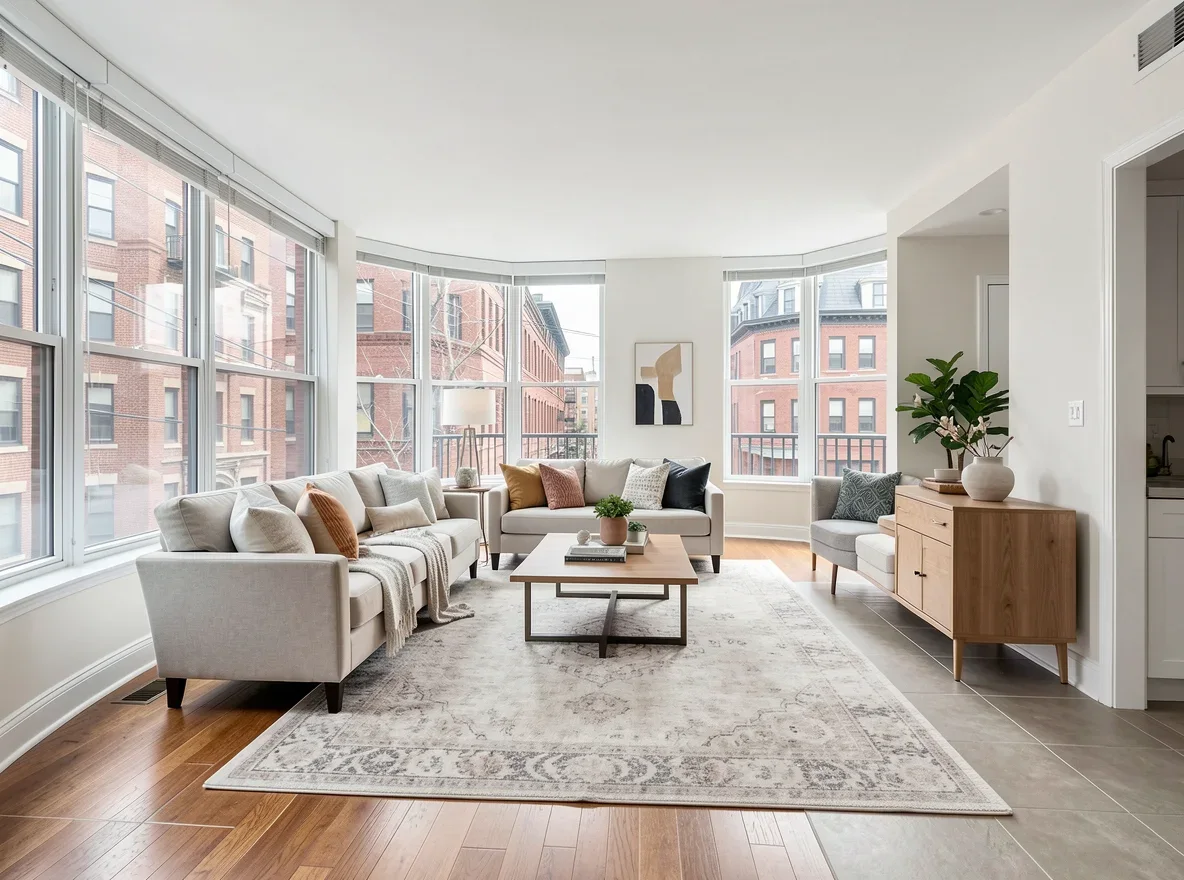
In Boston, a given budget often buys efficiency, access, and energy. Buyers may find polished one- or two-bedroom condos with updated kitchens, shared amenities, and a location that keeps restaurants, transit, work hubs, and cultural destinations within easy reach. There is undeniable appeal in being able to step outside and feel immediately connected to the pulse of the city. For professionals, first-time buyers, and those who prioritize convenience over square footage, that trade can feel absolutely worth it.
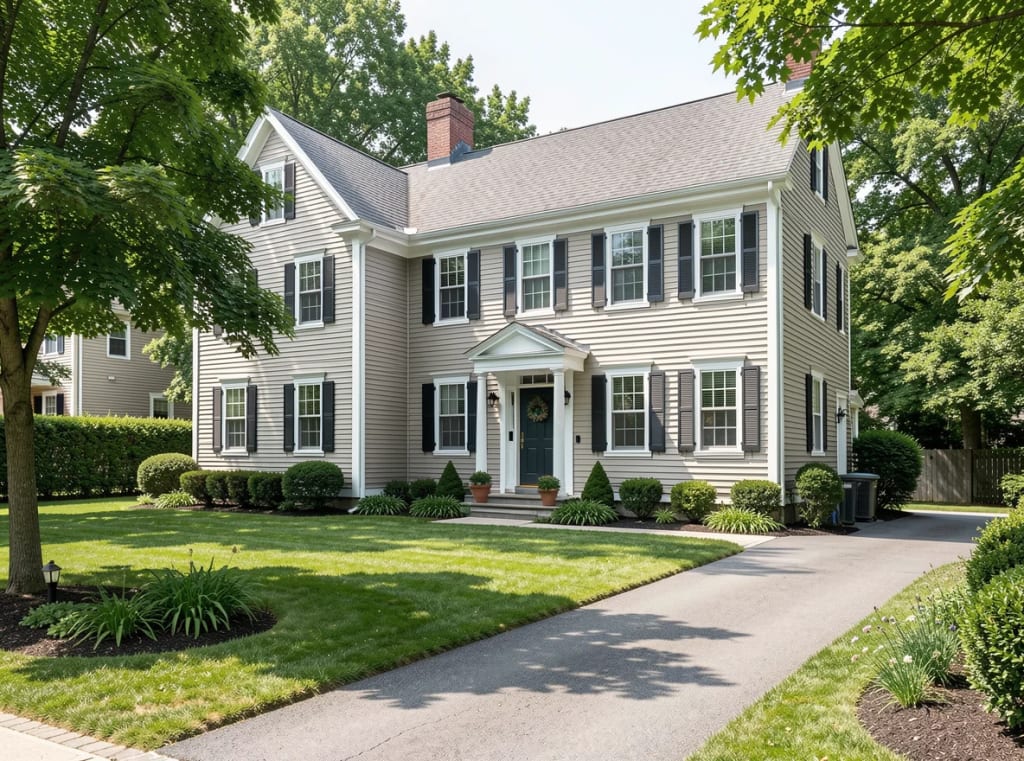
But once the search radius expands along the commuter belt, the numbers start telling a different story. In Norwood, that same budget may open the door to a detached home, a private yard, multiple bedrooms, basement storage, and the architectural charm that makes Colonials such an enduring Massachusetts favorite. Instead of paying primarily for proximity, buyers often start paying for flexibility: a home office, a playroom, a guest bedroom, or simply the breathing room that comes from not sharing walls with neighbors.
The contrast is especially meaningful for households thinking two or three moves ahead. A compact Boston condo may work beautifully now, but a Colonial in Norwood can offer room to grow into. That extra bedroom may become a nursery, a remote-work setup, or a long-term solution for multigenerational living. Even small practical upgrades, like a driveway, mudroom potential, or dedicated outdoor space, can dramatically change how a home supports everyday life.
Lifestyle Trade-Offs Go Beyond the Listing Sheet
Of course, buyers are not choosing between square footage alone. They are choosing between two distinct versions of Massachusetts living. In Boston, the appeal is immediate and urban: walkability, historic architecture, transit access, and the ability to build a routine around city convenience. Many condo buyers are comfortable making peace with HOA fees, tighter layouts, and limited storage because the payoff is location.
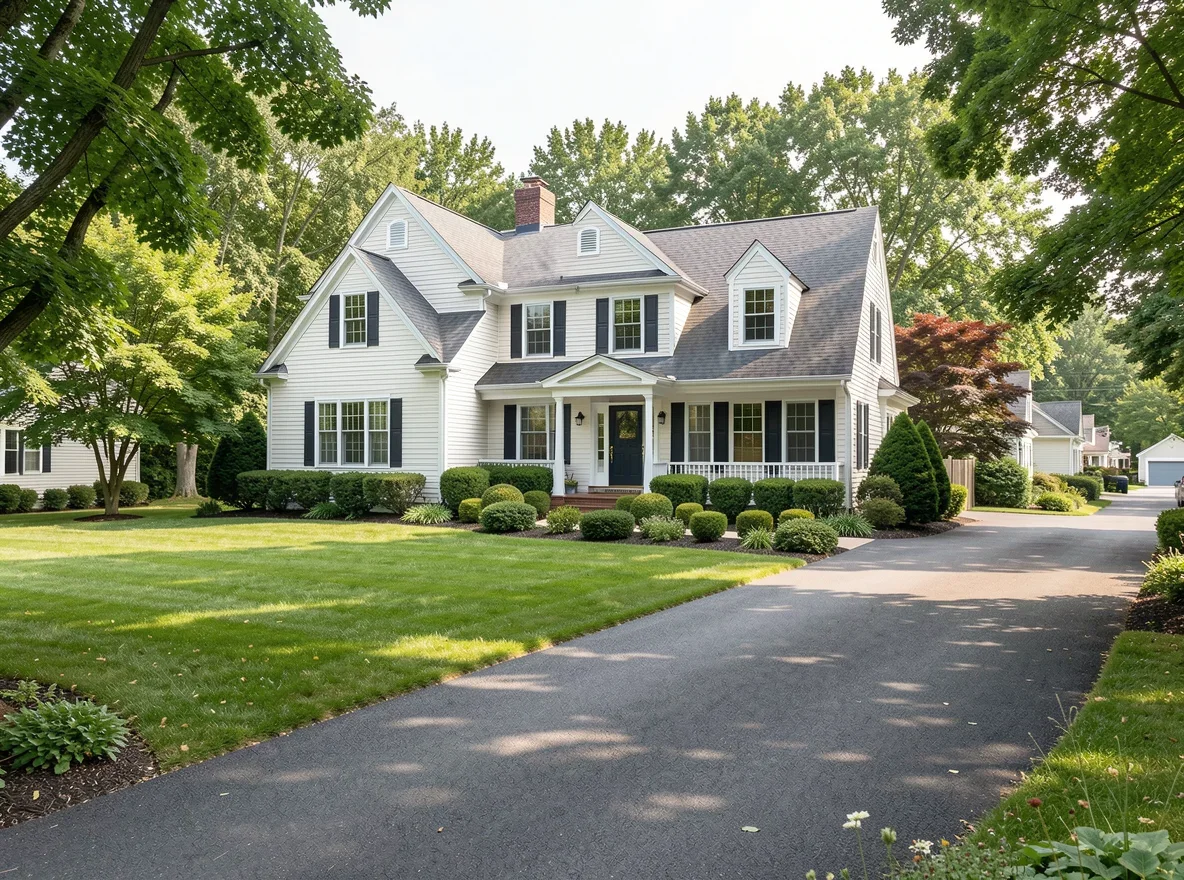
In Norwood, the atmosphere shifts toward balance. There is still strong access to the city, but the day-to-day feel is more grounded, more residential, and often more family-oriented. Buyers tend to notice the comfort of tree-lined streets, local recreation, neighborhood routines, and homes with usable outdoor areas. The community has the kind of rhythm that appeals to people who want access to Boston without needing to live in the center of it.
That suburban value equation becomes even stronger when schools, recreation, and long-term livability enter the conversation. Buyers with children often compare not just mortgage payments, but also what a town can offer in terms of public amenities, parks, sports, and room for everyone to spread out. A detached house in Norwood can make hosting holidays easier, summer evenings more enjoyable, and day-to-day logistics less stressful than life in a smaller condo building.
There is also the emotional factor. A Colonial often carries a sense of permanence. Buyers imagine front steps decorated in the fall, a backyard gathering in June, or a finished basement becoming the favorite hangout spot in winter. City condos can absolutely feel polished and sophisticated, but suburban homes often feel more adaptable to life's changing seasons.
Community, Commuting, and the Middle Ground Buyers Want
One reason Norwood continues to attract attention is that it occupies a practical middle ground. It offers commuter rail access and regional connectivity while still feeling like a place where neighbors know the local rhythm. For buyers who work in or near Boston but do not need to be in the city every day, that balance can be compelling. The commute may not vanish, but the reward at the end of it can be a larger home, more privacy, and a setting that feels easier to settle into long term.
Community character matters here too. Buyers increasingly look for places that combine convenience with identity, and Norwood often appeals because it feels established rather than overly transient. Local gathering spaces, youth activities, everyday services, and a familiar suburban cadence all help create a sense of rootedness. That can be especially attractive to people leaving a denser urban environment and hoping not to sacrifice connection in exchange for square footage.

Dining and entertainment also play into the calculation, even if in a different way than they do in Boston. City living can put endless options at your doorstep, but suburban living often reshapes the question: instead of maximum variety every night, buyers start valuing ease, parking, familiar favorites, and a calmer pace. For many households, that ends up being less of a compromise than expected.
From a market perspective, the condo-versus-Colonial comparison also highlights how buyers define value. Boston pricing often reflects scarcity, demand, and premium location. Norwood pricing, while still competitive within Greater Boston, can deliver more visible and usable features at the same price point. That does not automatically make one choice better than the other. It simply means buyers need clarity about what they are really purchasing: a location advantage, or a lifestyle expansion.
The Best Move Is the One That Fits the Way You Actually Live
For some buyers, the answer will still be a Boston condo with a sleek kitchen, close transit, and weekends spent exploring the city on foot. For others, the smarter investment will be a Norwood Colonial with room to host, room to work, and room to grow. Neither path is one-size-fits-all, which is why a knowledgeable, Massachusetts-focused guide can make such a difference in the process.
Victoria Gomes and the team at Venture understand that buying a home should feel rewarding, informed, and memorable, not rushed or generic. When you compare Boston and Norwood through the lens of budget, what matters most is not just how far your dollars go, but how well your next home supports your real life. If you're weighing condo convenience against Colonial comfort, the right strategy starts with understanding both the numbers and the lifestyle behind them.